
• Log in
  • Cart (0)
  • Checkout
  • Jewelry 
    • Bracelets
    • Earrings
    • Necklaces
    • Mantra Bracelets
    • Rainbow Collection
    • Awareness Bracelets
    • Gift Sets
    • Sale
  • Lifestyle 
    • Home Goods
    • Pouches & Tote Bags
    • Charitable Gifts
    • Holiday & Ornaments
  • Impact 
    • Our Impact
    • Our Team
    • Artisans
    • Blog
  • Sponsorship 
    • Woman Sponsorship
    • Child Sponsorship
    • Donate
    • Charitable Gifts
Sharing Hope

Best Fair Trade Jewelry Brands for Conscious Shoppers

November 16, 2026

Best Fair Trade Jewelry Brands for Conscious Shoppers

Last Updated: November 16, 2026

Quick Summary

The best fair trade jewelry brands verify their claims with a named certifier, a published wage policy, and a traceable supply chain rather than a logo alone. Look for brands listed by name on a certifier's site, and ask what each certificate covers and when it was last audited.

  • Fair Trade Federation membership is a commitment to principles, not a product-level seal on every piece.
  • Ask whether a certificate covers worker pay, traceable metal, gemstone origin, or only environmental practices.
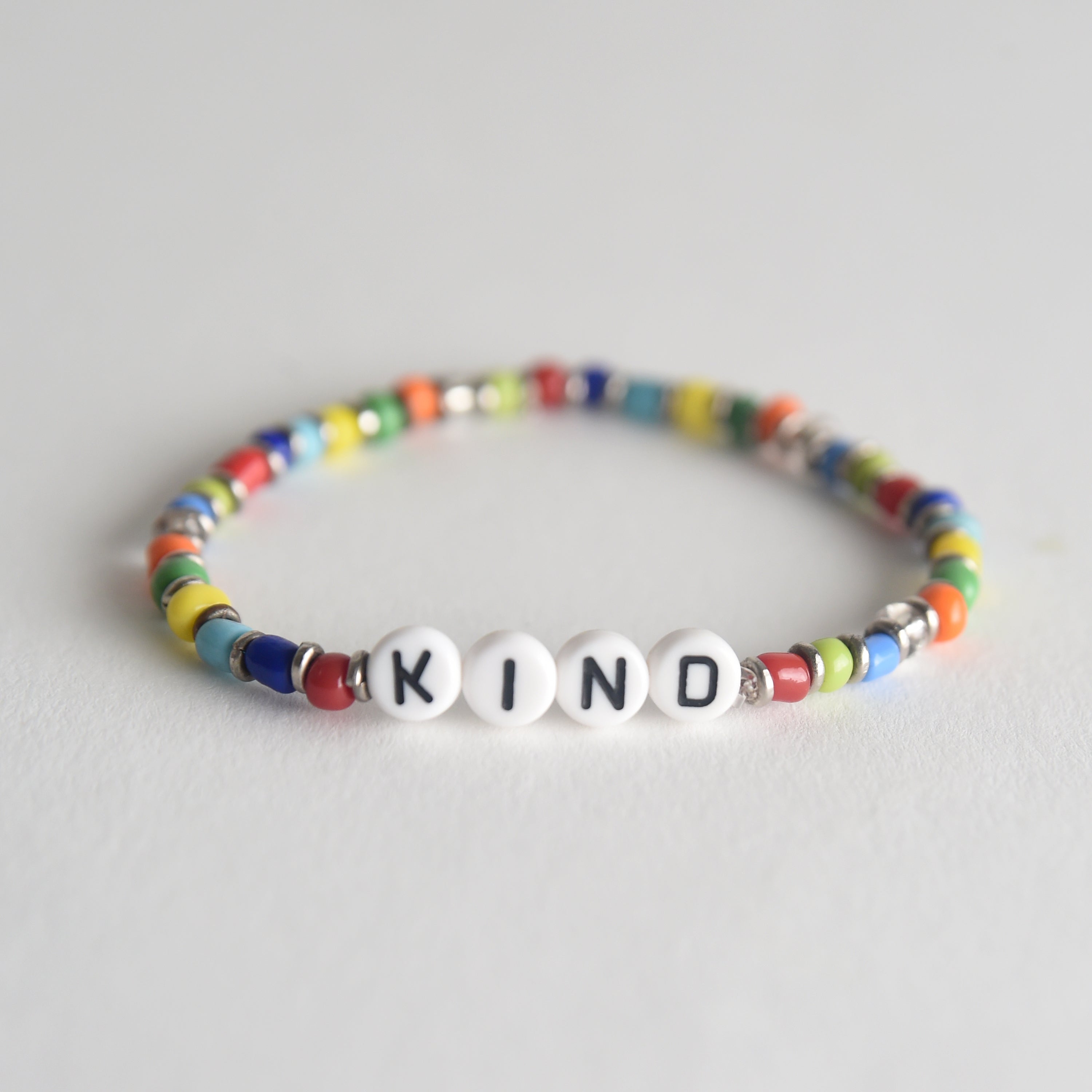
  • Our Fair Trade Glass Bead Mantra Bracelet is handmade in Uganda by women artisans and priced at $7.50.
  • Our mantra bracelets start at $4.00, and paper bead pieces are priced from $5.00 to $6.25.
  • Production is in Uganda with more than 100 artisans over 18 years.
Want jewelry that proves its impact?Project Have Hope sells handmade fair trade pieces that fund education and business programs in Uganda.
Shop Fair Trade Jewelry

Table of Contents

  • What Makes a Jewelry Brand Fair Trade
  • Fair Trade Jewelry Companies That Verify Their Claims
  • Affordable Sustainable Jewelry Brands Without the Markup
  • Best Sustainable Jewelry Brands for Artisan Impact
  • Frequently Asked Questions

What Makes a Jewelry Brand Fair Trade

Fair trade jewelry is made under verified conditions that protect makers: fair wages, safe workshops, and a traceable supply chain. Project Have Hope works with artisans in Uganda, so we know the difference between a label and a practice.

Most "ethical" claims never get audited. Fair trade claims should show you who made the piece and how they were paid.

Claim Type What It Usually Means What to Ask
"Ethical jewelry" Broad, self-defined term Who made it, and where?
"Sustainable jewelry" Focus on materials and environmental impact Is the metal recycled or traceable?
"Fair trade jewelry" Focus on worker pay and conditions Is there a certifier or published wage policy?

The Fair Trade Federation's membership criteria require verified commitments to fair wages and safe working conditions. Ask for that proof before you buy.

Fair Trade Jewelry Companies That Verify Their Claims

"Verified" is not a single thing. A brand can verify workshop conditions, metal sourcing, gemstone origin, or all three, each with different paperwork. Knowing which claim a document covers separates a substantiated label from a borrowed logo.

Start by separating the claim from the certifier. The Fair Trade Federation's membership criteria cover fair wages, safe working conditions, and transparent supply chains for member businesses, but membership is a commitment to principles rather than a product-level seal on every piece. Other marks certify a specific mine or refinery, a factory, or an entire company. Ask which entity the certificate names, what it covers, and when it was last audited.

A practical checklist for checking any fair-trade claim:

  1. Named certifier, named brand. The certifying body should list the brand by name on its own website. A logo on a product page is not proof.
  2. Scope of the certificate. Does it cover worker pay and conditions, traceable metal, gemstone origin, or only environmental practices? A materials certificate says nothing about wages.
  3. Chain of custody. For metals, ask whether the gold or silver is recycled, Fairmined, or traceable from refinery to finished piece. For gemstones, ask whether the brand can name the country of origin and cutting facility.
  4. Published wage policy. A fair-trade claim should be backed by a stated wage floor, a pay ratio, or a published artisan-partner list. If the only evidence is "conscious," it is marketing.
  5. Audit recency. Certifications lapse. Ask for the most recent audit date and whether the brand publishes a transparency report.

Our Fair Trade Glass Bead Mantra Bracelet is handmade in Uganda by women artisans and priced at $7.50.

Fair Trade Glass Bead Mantra Bracelet

Many smaller fair-trade brands show partial verification: strong evidence on artisan pay and workshop conditions, weaker evidence on gemstone origin. That reflects where traceability is hardest, but the brand should say so plainly.

Affordable Sustainable Jewelry Brands Without the Markup

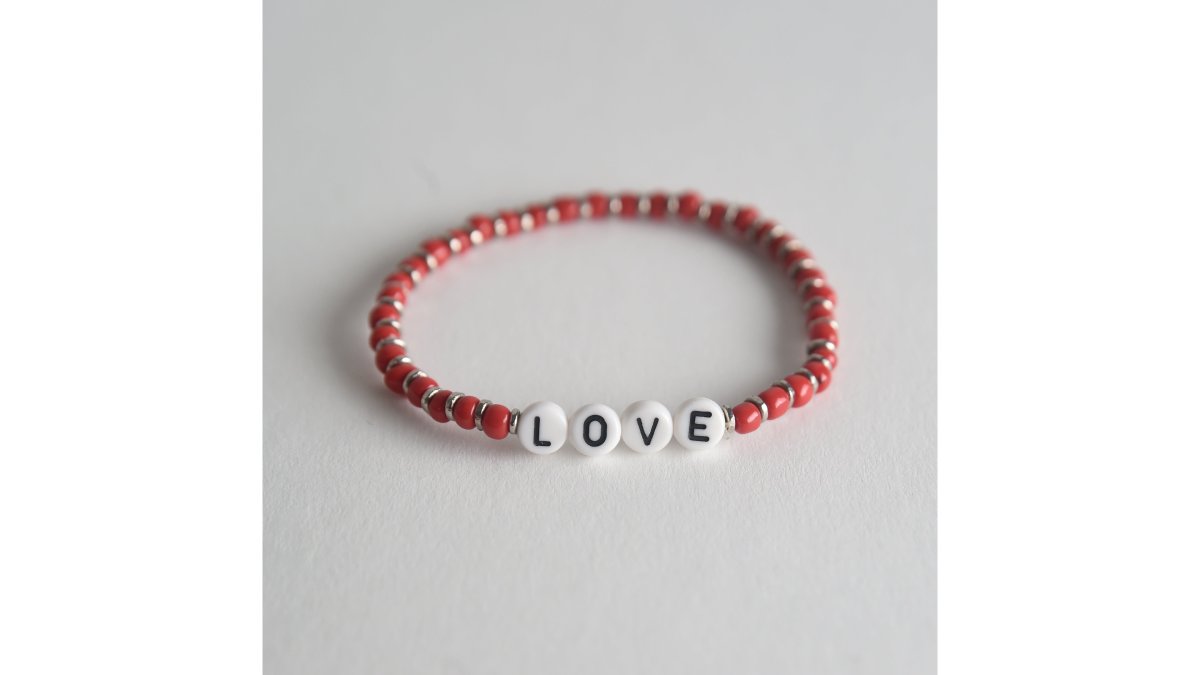
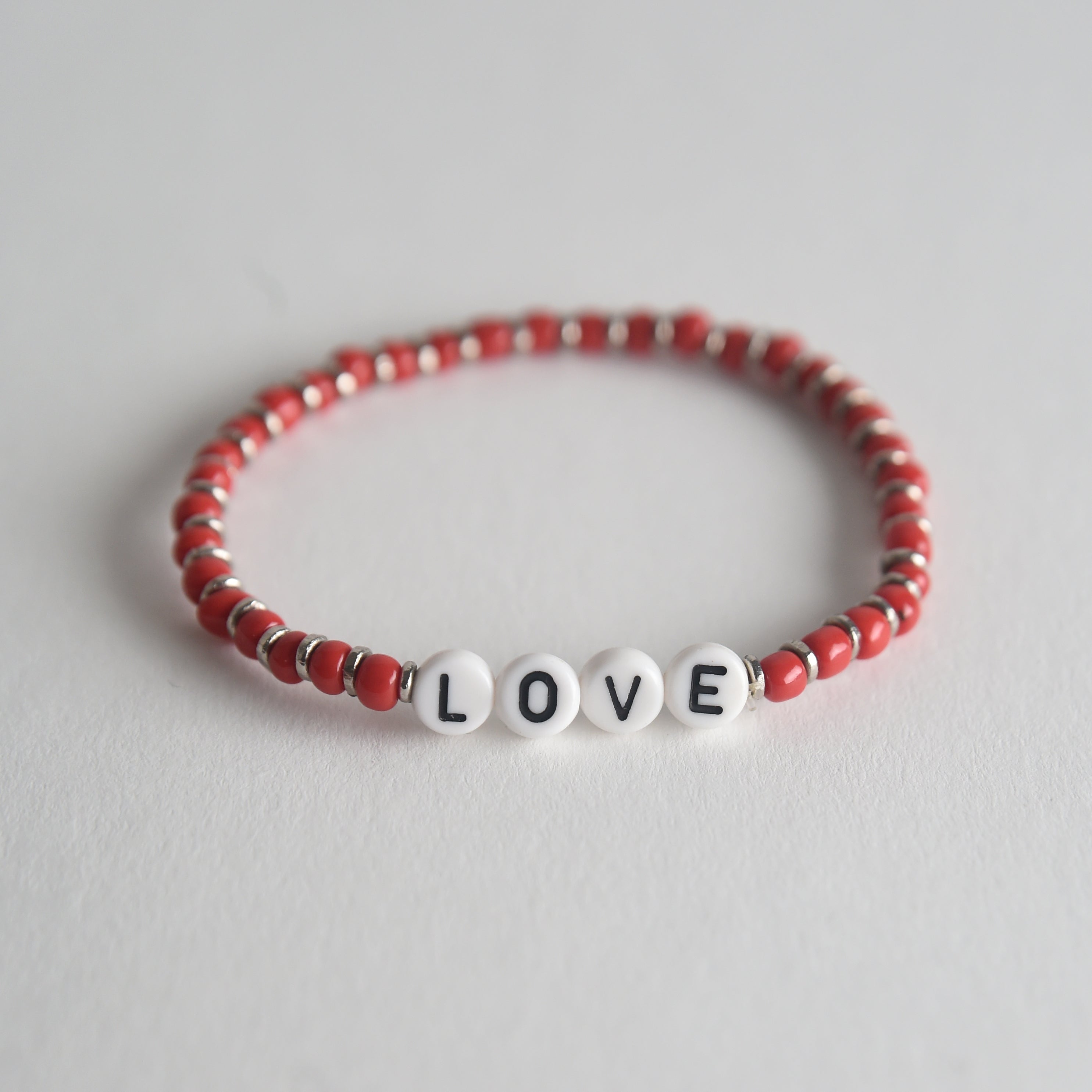
Fair trade does not have to mean expensive. Our mantra bracelets start at $4.00, and our paper bead pieces are priced from $5.00 to $6.25.

Browse our paper bead jewelry selection to see the price range.

Best Sustainable Jewelry Brands for Artisan Impact

Most brand roundups rank jewelry by style and price and treat artisan impact as a footnote. A fair-trade shopper needs consistent criteria applied across brands.

A consistent comparison framework:

  • Materials: recycled or traceable metal, repurposed or natural materials, and whether gemstone origin is disclosed.
  • Certifications: which certifier, what the certificate covers, and whether the brand is listed by name.
  • Production location and structure: country of production, whether artisans work in a cooperative, workshop, or at home, and whether the brand names its partners.
  • Price range: what a typical piece costs, in USD.
  • Evidence of worker benefit: published wage policy, artisan-partner lists, impact reports, and direct testimony from makers.

Applied to our own work: materials are hand-rolled recycled paper beads and recycled glass; production is in Uganda with more than 100 artisans over 18 years; and prices run from $4.00 for mantra bracelets to $7.50 for paper bead pieces. Akello Esther Odong put it plainly: "Today, I stand proud and speak before people because of the confidence I have gained."

Glass Bead Mantra Bracelets

You can support the makers directly through a jewelry gift set for women, a microfinance grant, or a garden plot for one family.

Glass Bead Mantra Bracelets
A Garden Plot for 1 Family.

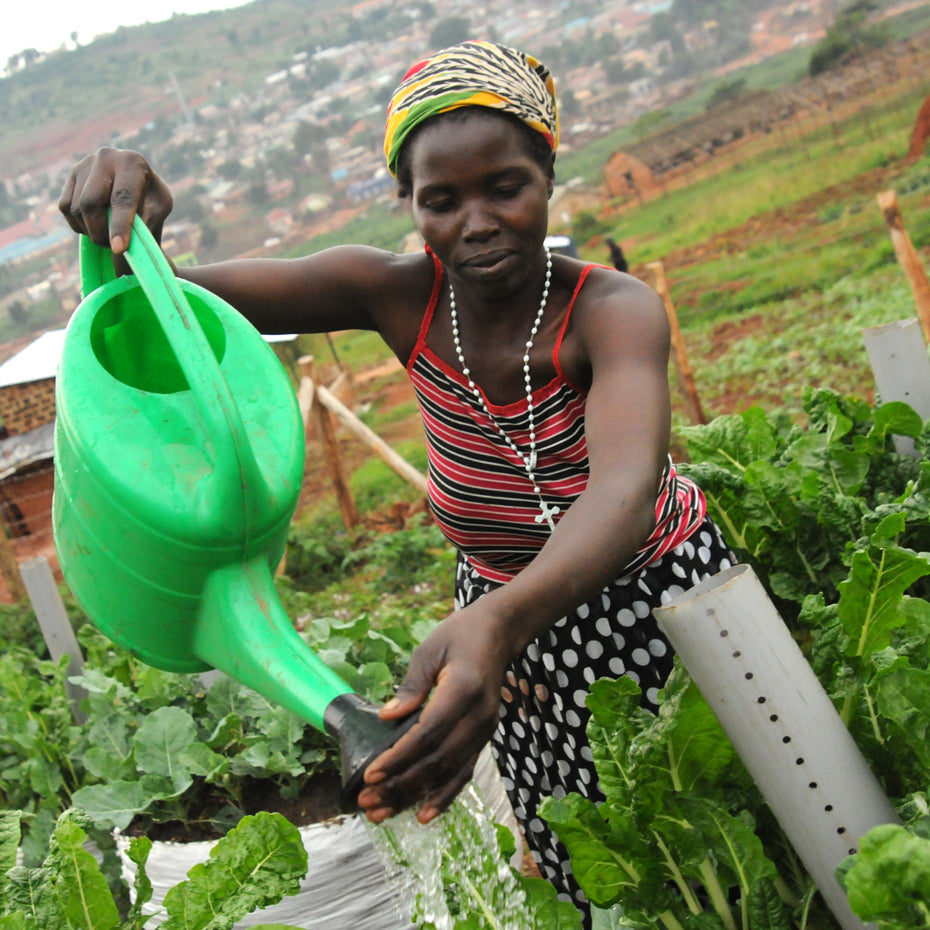
The hardest part of shopping fair trade is trusting a claim you cannot see. We built Project Have Hope to remove that doubt: every purchase supports fair wages, education, and business training for women in the Acholi Quarter. With free domestic shipping on jewelry orders over $25 and over 18 years of work behind us, the proof is in the pieces. Get started with Project Have Hope and wear something that changed someone's life.

Frequently Asked Questions

What is the difference between fair trade and sustainable jewelry?

Fair trade jewelry focuses on worker welfare: fair wages, safe conditions, and community investment. Sustainable jewelry centers on environmental impact, such as recycled metals and responsible mining. A brand can be sustainable without being fair trade, and the reverse is also true. The strongest fair trade jewelry brands address both, pairing artisan pay with recycled or responsibly sourced materials so workers and ecosystems benefit together.

How can you verify a jewelry brand's fair trade claims?

Look for third-party certification, published supplier lists, and specifics about where pieces are made. Vague language like ethically sourced means little without names, locations, or audit details. Ask whether the brand can describe its artisan partners, payment structure, and production process. Fair trade jewelry companies that publish artisan stories, wage information, and community programs give you evidence to check rather than a slogan to trust.

Are affordable sustainable jewelry brands also fair trade?

Not automatically. Low prices can signal efficient small-batch production, or they can hide underpaid labor. Fair trade jewelry does not require a high price tag: handmade pieces from recycled paper and glass beads often cost under $15 while still paying artisans fairly. Check the brand's stated wage practices and production model rather than assuming price reflects ethics in either direction.

GoogleAdd projecthavehope.org as a preferred source on Google →


Tweet Share Pin It Email

Leave a comment

Comments will be approved before showing up.


Also in Sharing Hope

Handmade African Jewelry for Sale: A Fair Trade Guide

November 18, 2026

Shop handmade African jewelry for sale, sourced directly from Ugandan artisans. Learn how fair trade beaded pieces support women and girls.

Continue Reading

Ugandan mother and daughter sitting together on the floor of their home
Two Generations, One Dream

March 03, 2026

Continue Reading

From a Doll to a Doctor — and a Wedding Invitation

February 17, 2026

From a little girl who once asked for a doll to a mechanical engineer, and a sponsored child who dreamed of helping others to a practicing doctor — Winnie and Jotham’s journey is a beautiful reminder of what long-term support and community can achieve. Now engaged and preparing for their February 28 wedding, their story is living proof that hope, opportunity, and perseverance can truly transform lives.

Continue Reading

Quick Links
  • Woman Sponsorship
  • Sponsor a Child
  • Hope Ambassador
  • Get Involved
  • Donate
  • Wholesale
  • Our Story
  • FAQs
  • Contact
  • Sitemap
  • Privacy Policy
  • Refund Policy
  • Terms of Service
About Us

-------------------

Project Have Hope is a 501(c)3 non-profit organization that works to empower families in the Acholi Quarter of Uganda.

-------------------

Click here to Donate


© 2026 Project Have Hope. Powered by Shopify